
Understanding the Importance of Unique Identification Numbers in Retail
- Nov 3, 2025
- 5 min read
In the fast-paced world of retail, managing inventory, tracking sales, and ensuring smooth operations require precise and reliable systems. One of the foundational elements that enable this efficiency is the use of unique identification numbers. These numbers serve as distinct markers for products, transactions, and even customers, helping retailers maintain order and accuracy. This article explores why unique identification numbers are vital in retail, how they function, and the benefits they bring to businesses and consumers alike.
What Are Unique Identification Numbers in Retail?
Unique identification numbers are codes assigned to individual items or entities to distinguish them from others. In retail, these numbers can take various forms, such as barcodes, serial numbers, SKU (Stock Keeping Unit) codes, or RFID tags. Each number is exclusive to a specific product or batch, ensuring that no two items share the same identifier.
For example, a clothing retailer might assign a SKU to each style, size, and colour combination. This allows the retailer to track inventory levels accurately and reorder stock when necessary. Similarly, electronic products often have serial numbers that help manufacturers and retailers trace the product’s history, warranty status, and authenticity.
The use of unique identification numbers simplifies many retail processes, including:
Inventory management
Sales tracking
Product recalls
Customer service and support
Fraud prevention
The Role of Unique Identification Numbers in Retail Operations
Unique identification numbers are integral to the smooth functioning of retail operations. They provide a systematic way to organise and monitor products throughout the supply chain, from manufacturing to the point of sale.
Inventory Management
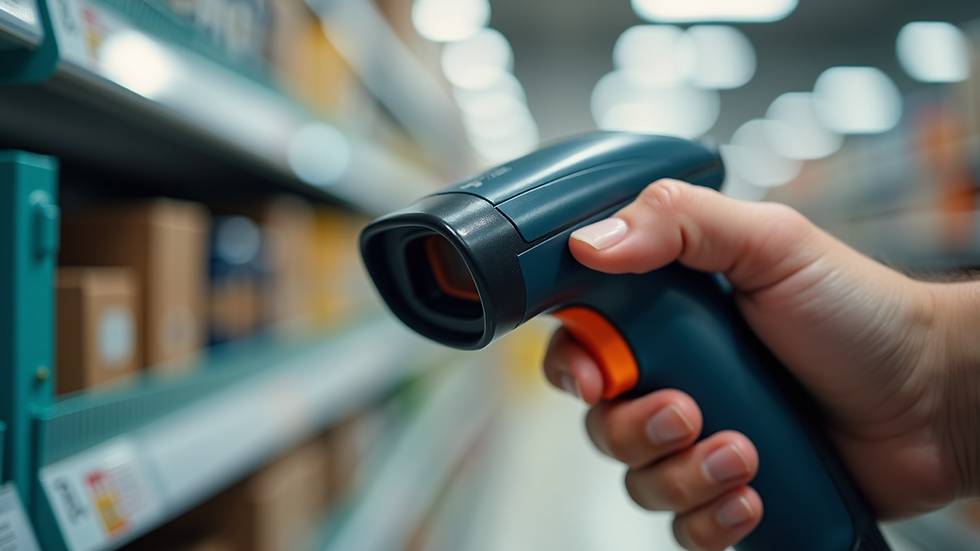
Retailers rely heavily on unique identification numbers to keep track of stock levels. By scanning barcodes or RFID tags, staff can quickly update inventory records, reducing errors and preventing stockouts or overstock situations. This real-time data helps businesses make informed decisions about purchasing and promotions.
Sales and Customer Insights
Each sale recorded with a unique product identifier contributes to valuable data analytics. Retailers can analyse which products sell best, identify seasonal trends, and tailor marketing strategies accordingly. This data-driven approach enhances customer satisfaction by ensuring popular items are always available.
Product Recalls and Quality Control
In the event of a product recall, unique identification numbers enable retailers to pinpoint affected items swiftly. This targeted approach minimises disruption and protects consumers from potential harm. Additionally, manufacturers can use these numbers to monitor product quality and address defects efficiently.
Fraud Prevention and Authenticity Verification
Unique identification numbers help combat counterfeit products by providing a verifiable trail of authenticity. Customers and retailers can check these numbers against official databases to confirm that products are genuine, safeguarding brand reputation and consumer trust.

Is 7 a unique number?
The question "Is 7 a unique number?" might seem simple but touches on the concept of uniqueness in identification systems. In mathematics, the number 7 is unique in its properties, but in retail, uniqueness refers to identifiers that distinguish one item from all others.
For instance, the number 7 alone would not be sufficient as a unique identifier in a retail context because many products could share this number. Instead, unique identification numbers are typically longer and more complex, combining digits and sometimes letters to ensure exclusivity.
This complexity prevents confusion and errors in tracking and managing products. Retail systems are designed to generate and assign these unique numbers systematically, ensuring that each product or batch has a distinct code.
Understanding this distinction helps clarify why simple numbers like 7 cannot serve as unique identifiers in retail, highlighting the importance of structured numbering systems.
Practical Benefits of Using Unique Identification Numbers
The implementation of unique identification numbers in retail offers numerous practical advantages that enhance both operational efficiency and customer experience.
Streamlined Checkout Process
With unique identification numbers embedded in barcodes or RFID tags, checkout becomes faster and more accurate. Scanning these codes eliminates manual entry errors and reduces wait times, improving customer satisfaction.
Enhanced Inventory Accuracy
Accurate inventory records prevent costly mistakes such as stock discrepancies and lost sales. Unique identification numbers enable precise tracking of each item, ensuring that inventory data reflects reality.
Improved Supply Chain Transparency
Retailers and suppliers can track products at every stage of the supply chain using unique identification numbers. This transparency helps identify bottlenecks, optimise logistics, and reduce losses due to theft or damage.
Better Customer Service
When customers return products or seek support, unique identification numbers allow staff to access detailed information quickly. This facilitates faster resolution of issues and builds customer loyalty.
Facilitating Omnichannel Retailing
In today’s retail environment, customers expect seamless experiences across online and offline channels. Unique identification numbers enable retailers to synchronise inventory and sales data across platforms, ensuring consistent product availability and pricing.
How to Implement Unique Identification Numbers Effectively
For retailers looking to leverage the power of unique identification numbers, a strategic approach is essential. Here are some actionable recommendations:
Choose the Right System
Decide whether barcodes, QR codes, RFID, or serial numbers best suit your products and operations.
Standardise Number Formats
Use consistent formats to avoid confusion and ensure compatibility with scanning devices and software.
Integrate with Inventory Software
Ensure your unique identification numbers are linked to robust inventory management systems for real-time tracking.
Train Staff Thoroughly
Educate employees on the importance of scanning and recording unique numbers accurately.
Regularly Audit Inventory
Conduct periodic checks to verify that unique identification numbers match physical stock.
Leverage Data Analytics
Use the data collected through unique numbers to inform purchasing, marketing, and customer service strategies.
By following these steps, retailers can maximise the benefits of unique identification numbers and enhance overall business performance.
The Future of Unique Identification Numbers in Retail
As technology evolves, the role of unique identification numbers in retail is set to expand. Innovations such as blockchain, IoT (Internet of Things), and AI (Artificial Intelligence) are transforming how products are tracked and managed.
For example, blockchain can provide immutable records of product provenance, enhancing transparency and trust. IoT devices equipped with RFID can automate inventory updates in real time, reducing human error. AI can analyse data from unique identification numbers to predict demand and optimise stock levels.
Retailers who adopt these technologies early will gain a competitive edge by improving efficiency, reducing costs, and delivering superior customer experiences.
In this context, understanding and utilising a unique number effectively is more important than ever.
Unique identification numbers are more than just codes - they are the backbone of modern retail operations. By ensuring each product is distinctly identifiable, retailers can streamline processes, enhance customer satisfaction, and adapt to future technological advancements. Embracing these systems today sets the stage for a more efficient and responsive retail environment tomorrow.



Comments